
Typora is a Markdown editor that hides the markup as soon as your cursor leaves the line, turning the whole window into a live, readable page instead of a split screen of code and preview.
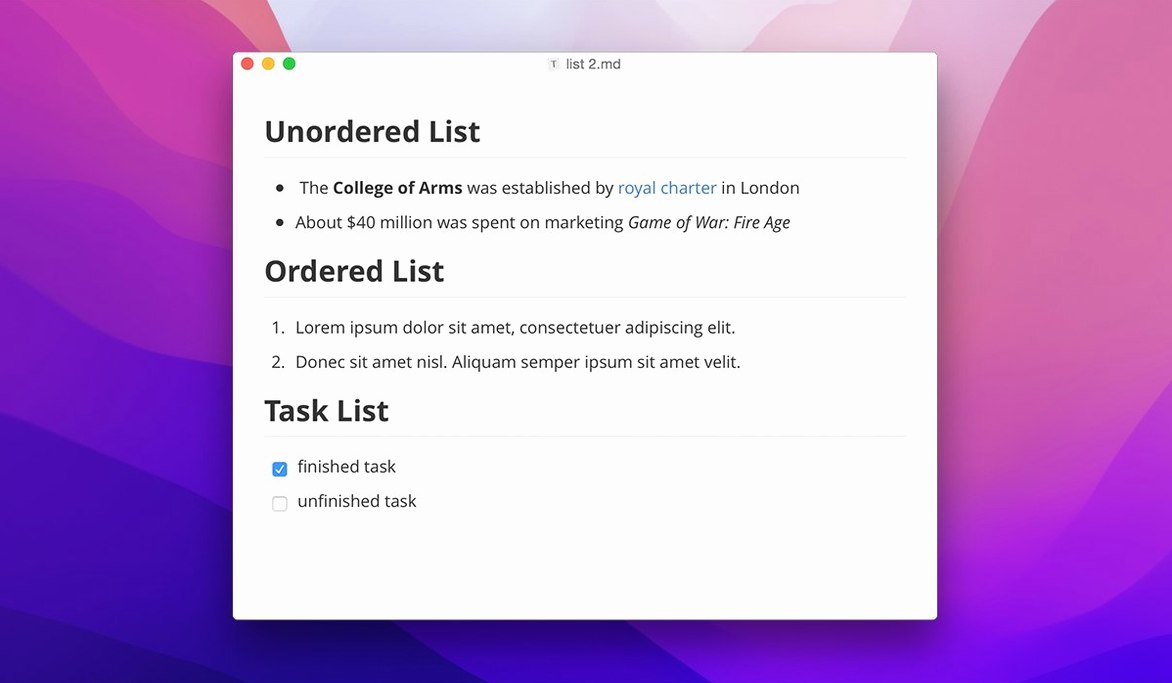
- Start typing. Pound signs, asterisks, and brackets show just long enough to confirm what you meant. Move to the next line and they render into headings, italics, and links right where you are — no side panel needed.
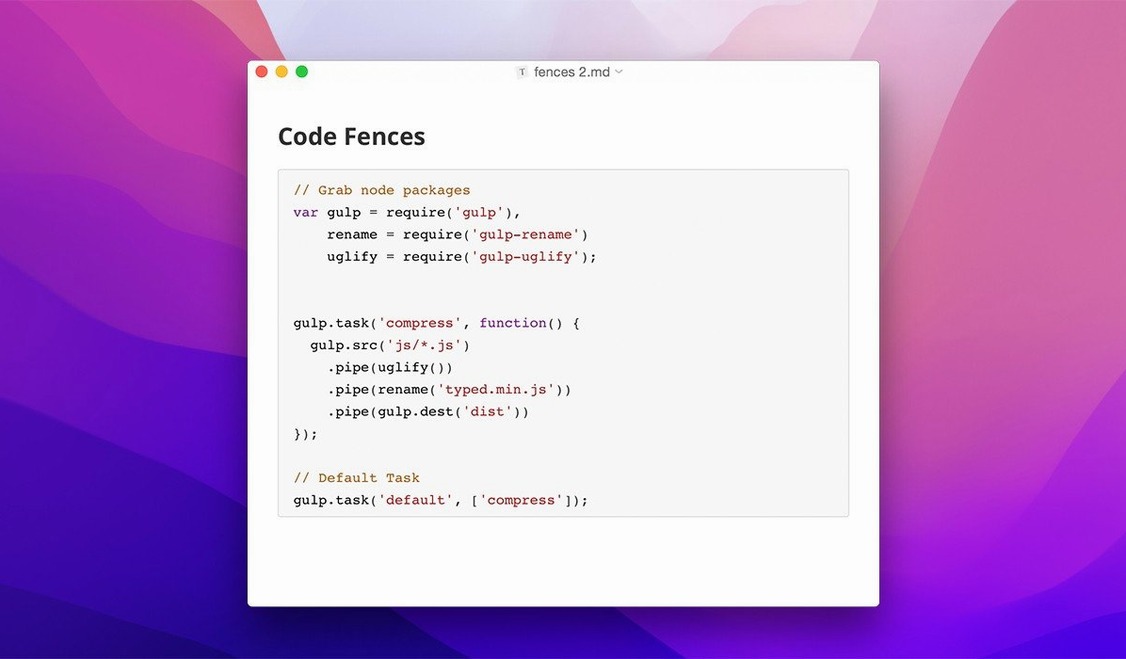
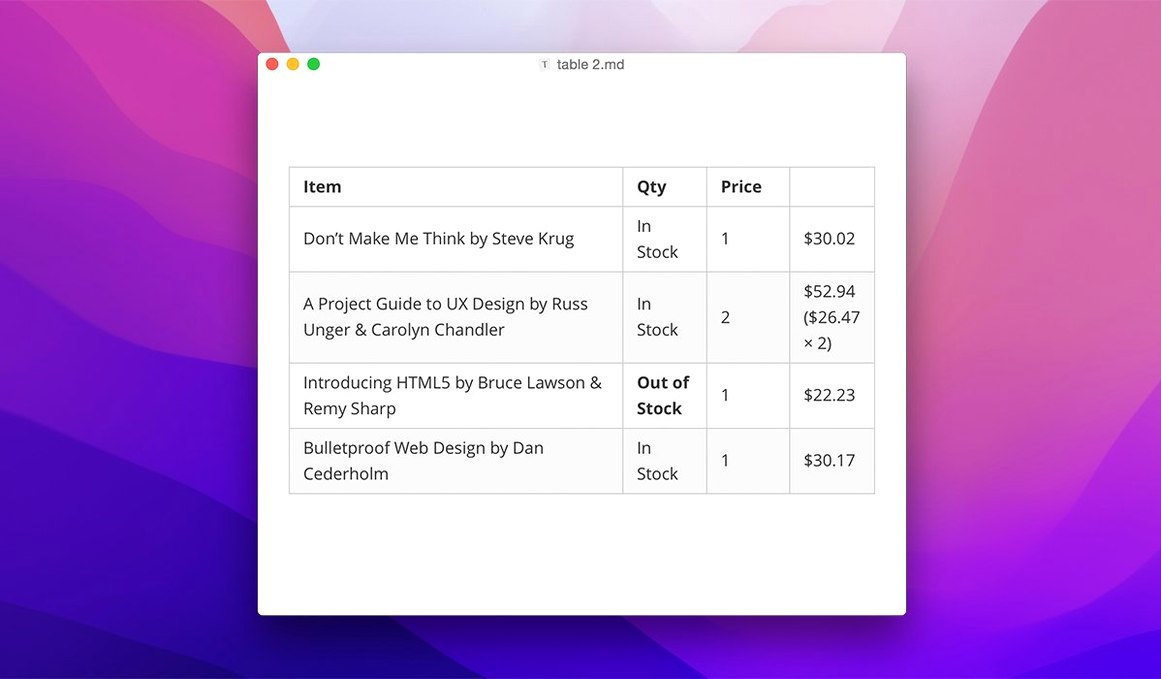
- Drop in a table or code block. The editor handles Markdown tables with a clean grid you can resize by dragging. Fenced code blocks light up with syntax highlighting for the language you name, and LaTeX math renders inline without a second window.
- Reach for the right-click menu. Version 1.14 brought context-menu style settings on macOS, so formatting options you used to hunt through menus now sit a right-click away. A floating toolbar joins the mix, staying near your selection when you need it.
- Export when it's ready. A lightweight export turns your document into a clean HTML file or other formats through Pandoc. The current update fixes a Pandoc export glitch from source mode and a clipped welcome panel that showed too little on first launch.
Nothing about the core idea changed: you still write in one pane, and formatting becomes the finished look the moment you stop editing it. The table of contents auto-builds from your headings, and the export stays simple — no layout engine or template system to wade through. Bottom line: a Markdown editor for people who want their words to look finished while they're still writing.
Taking a draft from notes to export without leaving the keyboard
I keep a folder for weekly newsletter drafts, and the sidebar in Typora makes it the only window I need. I open the folder, hit the down arrow to pick Monday’s draft, and start.
- Outline first. Type three headings and they appear in the auto-built table of contents. I can see the structure settle before I fill in any paragraphs, which beats writing blind in a plain text editor.
- Flesh out the middle. A code snippet goes into a fenced block — I type the language name and syntax highlighting kicks in without a plugin. Inline LaTeX for a quick stat renders on the spot, no separate preview window to chase.
- Polish the table. I drag column widths in the Markdown table until the numbers line up naturally. Right-clicking a cell brings up the context menu, and I tweak alignment without touching a toolbar or a menu bar.
- Export and send. File menu, export to HTML, done. The Pandoc export fix in 1.14.10 means source-mode work flows out cleanly now — no mangled headings or missing line breaks.
The whole session stays in one window, and the file tree responds to arrow-key navigation. I bounce between files without grabbing the mouse. It’s the kind of quiet efficiency that makes you forget the editor is there at all.
Stays under 200 MB with a dozen tabs open
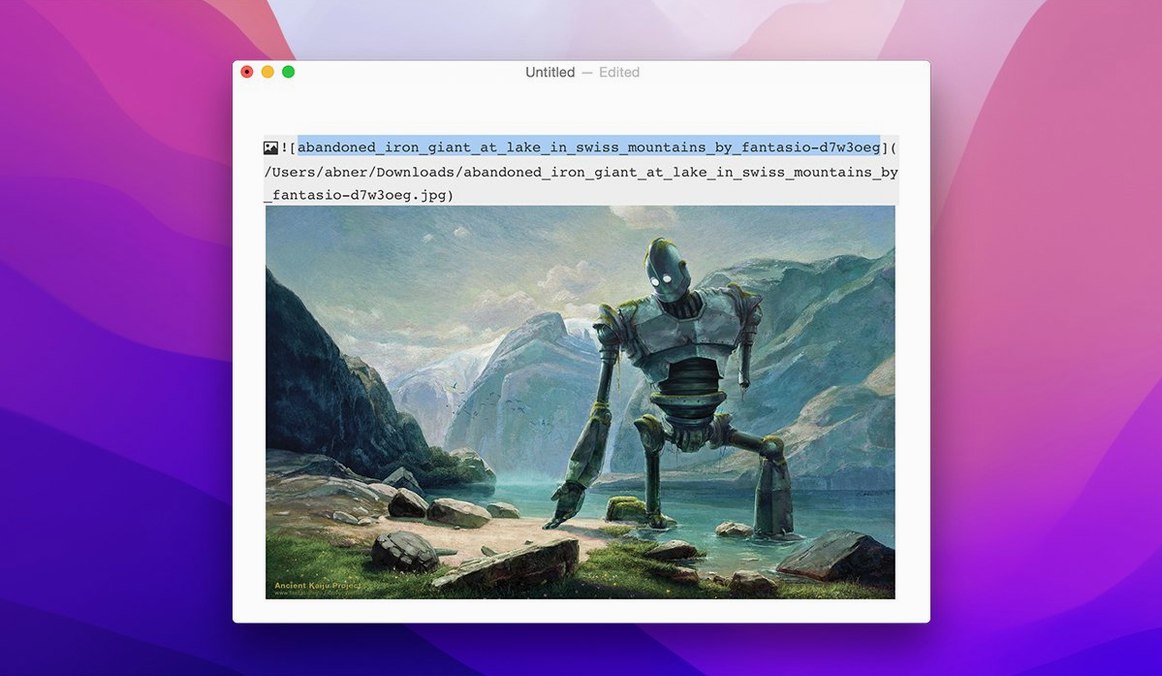
Typora runs light. On an Apple Silicon Mac the memory footprint stays modest — I rarely see it climb above a couple hundred megabytes even with a dozen tabs open. Launch is instant; the window is ready before I finish lifting my finger off the trackpad. Scrolling through a long document with embedded images and math blocks stays smooth, no stutter when the live preview recalculates the layout. I haven’t hit a crash through the last few point releases, and the welcome panel clipping that annoyed some users in earlier builds is gone now.
Battery impact is low enough that I don’t think about it — a full afternoon of editing doesn’t move the percentage more than a browser tab would. The sidebar’s option to show hidden files and non-Markdown files means I can treat a project folder as a complete workspace without switching to Finder. It’s not flashy performance; it’s just quiet, steady, and out of the way.
A maintenance update that smooths out two rough spots.
- Fixed content clipped in the welcome panel — the first screen you see now shows its full message.
- Fixed Pandoc export from source mode, so exporting while working in raw Markdown view works as expected again.
- macOS 10.13.6 or later
- Apple Silicon and 64-bit Intel Macs
Notes from the tables 0
Sign in or pull up a chair to leave a note.
No notes on this one yet. They go up after I read them.