
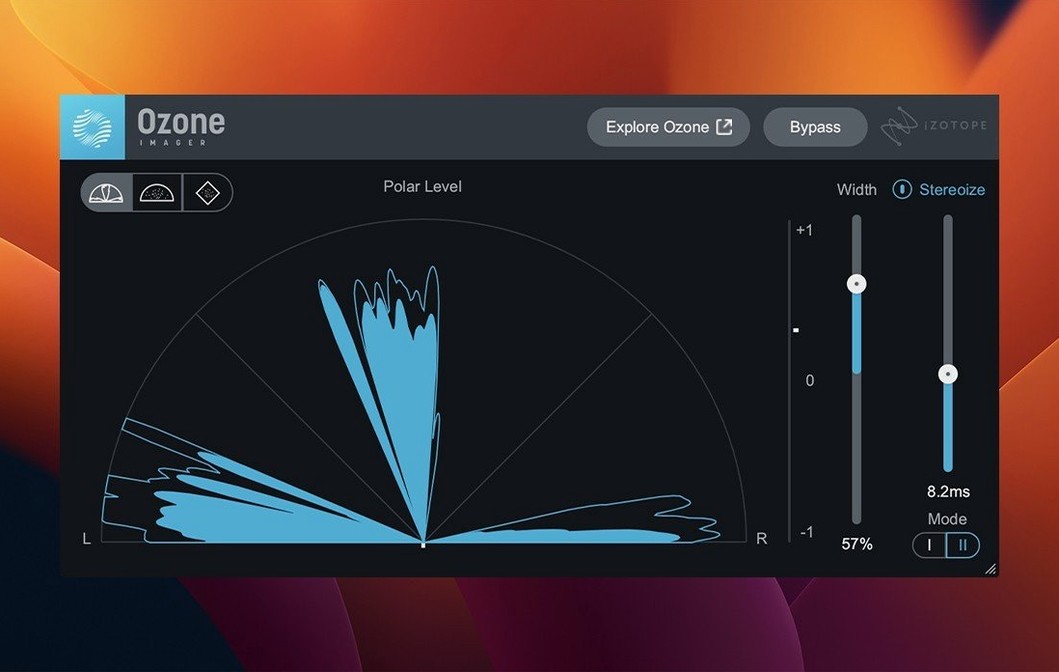
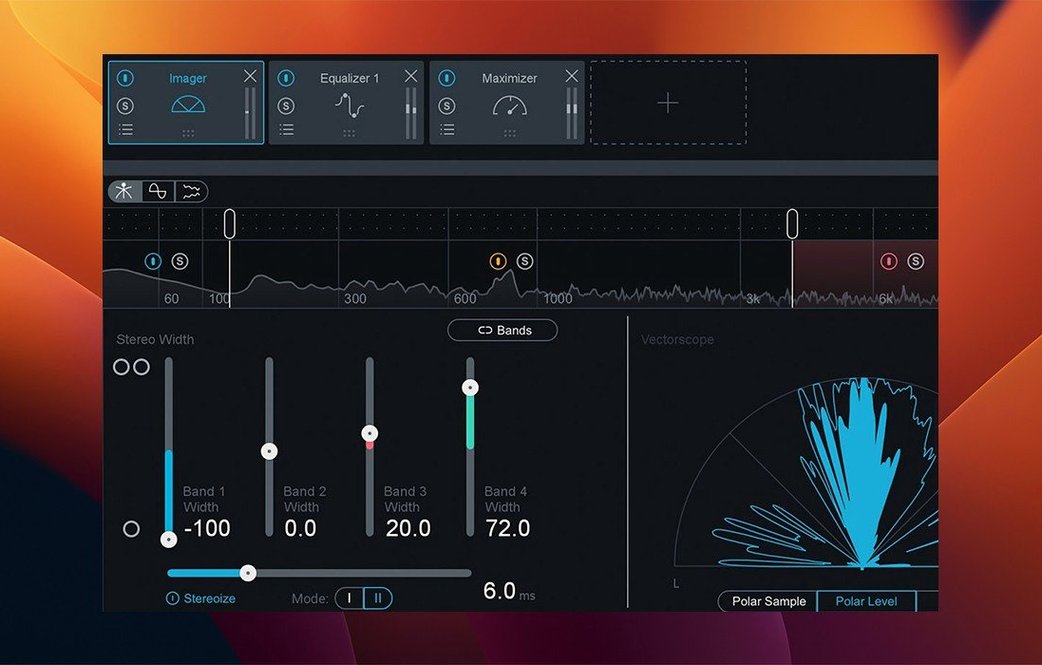
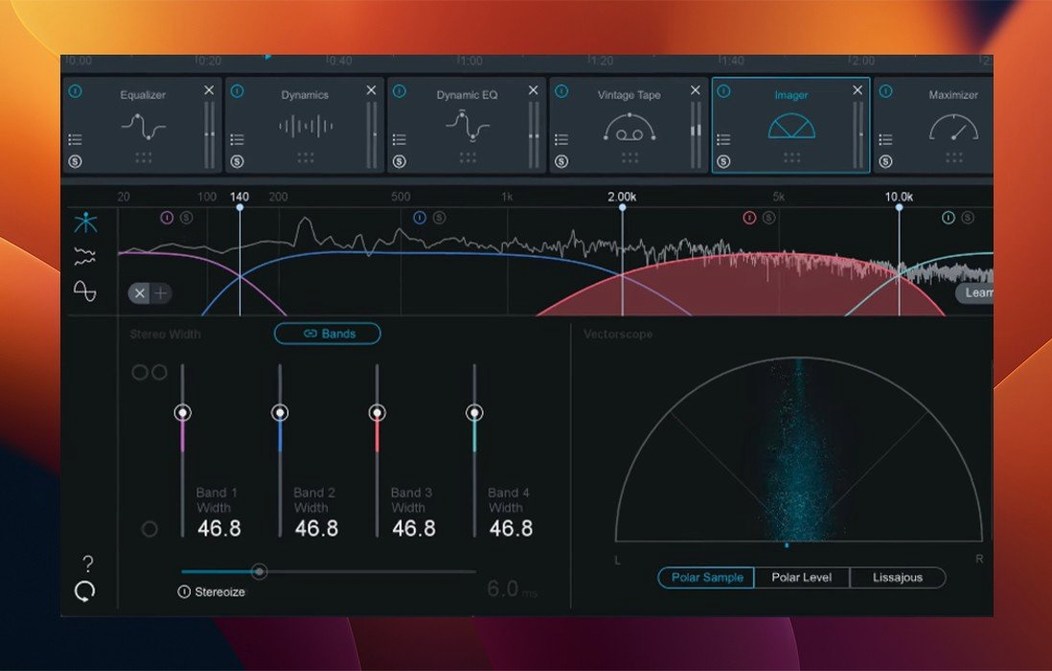
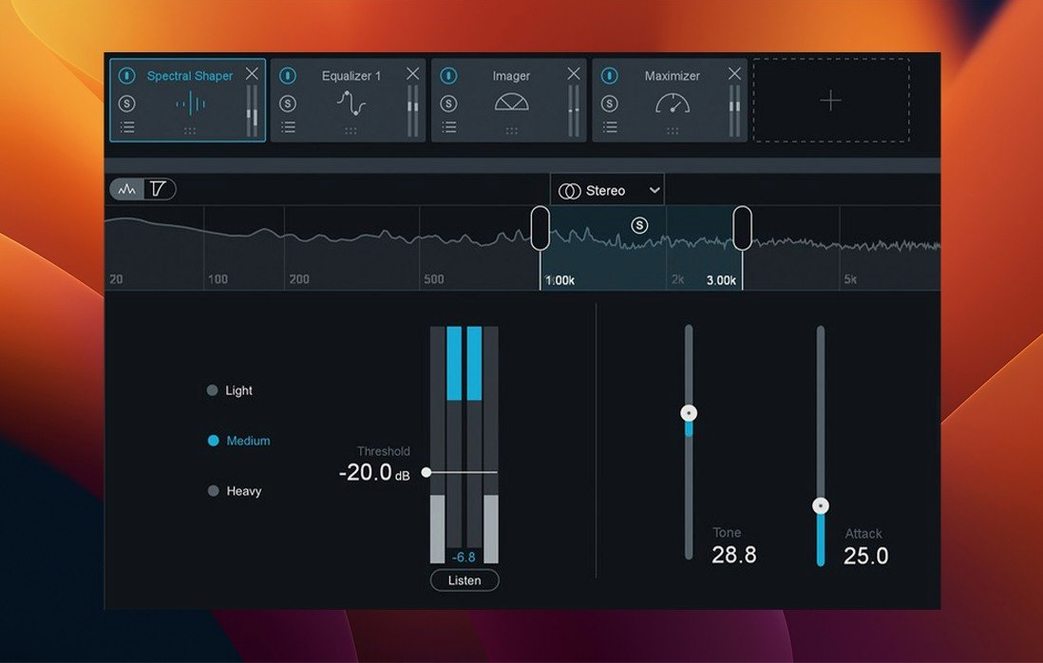
You drop the plugin onto a stereo mix you’ve been wrestling with for a week. The song is there, but it feels crowded and a little dull compared to the reference track playing in your head. Instead of clicking through presets hoping for a miracle, you can walk through a handful of tools that actually teach your ears what to listen for. It’s not about using everything in the suite—it’s about grabbing the right tool for the immediate problem.
- Let the Assistant suggest a starting point. Play the loudest section of your song and let it listen. It sets EQ, compression, and limiting targets based on what it hears. You can pull back anything that feels too aggressive, but it usually gets you into the ballpark faster than starting from flat faders.
- Try the Stabilizer on a genre target. Pick one of the 25 built-in profiles closest to your mix—like modern rock or punchy electronic—and listen to what it adjusts. It shapes the tonal balance dynamically, reacting to the track instead of applying a static curve.
- Shape the low end with Bass Control. If the kick and bass are fighting, this separates the lows into transient and sustain sections so you can tighten the attack without thinning out the body of the note.
- Use Stem EQ on a troubled bus. This isn’t just for mastering engineers. If your vocal bus feels brittle or your drum bus lacks snap, load an instance on that group and treat it like a surgical finishing EQ with a musical tone.
- Stick with the Maximizer for loudness. Set your ceiling to -1.0 dB and push the threshold until you hear the life start to flatten, then back off a touch. It’s transparent enough that you’ll hear the pumping before you hear the grit.
You don’t need to touch every module to get a solid master. Start with these, trust what your ears tell you over the meters, and the rest of the suite will make sense when you need it.
The interface lag fix that transformed multi-instance sessions
The headline fix in 12.1.0 is speed. If you’ve been using Ozone across a session with many instances, you know the feeling of clicking a plugin slot and waiting for the interface to catch up. That hesitation is gone or close to it. Loading a project with several Ozone modules sprinkled across buses and the master bus no longer makes you reach for your phone while the beachball spins.
The other fix worth knowing about is mono-to-stereo handling. If you run a mono source through Ozone and expect a stereo image on the other side—maybe a mono guitar bus feeding a widening chain—it now processes correctly. Before, you might have heard the left and right channels collapse back to mono and wondered if your routing was broken. It wasn’t your routing.
And if you’re on Cubase 15, you’re covered: that host version joined the list of supported setups with this update.
Cleaning up a muddy hip-hop mix from scratch
Picture someone who masters four to six songs a week for independent artists. The afternoon starts with a dense hip-hop track that has a muddy low end and a vocal that sits a little too far back. The first move is Bass Control to pin down the kick and bass relationship, then the Stabilizer with a modern hip-hop target to bring the midrange forward. The Maximizer with IRC 5 gets the track to a competitive level without turning the 808 into a distorted mess. By the time the artist replies to the email, the master is done and the next project is already open.
How it behaves over a long session
On an M-series MacBook Pro, the plugins stay responsive even with a busy mastering chain. Latency is low enough that you can make adjustments while the transport rolls without feeling disconnected. On older Intel machines, the heavier modules like Stem EQ and the Maximizer can make the fan spin up, but nothing stalls. Memory use stays reasonable, and the 64-bit-only formats mean you’re not wrestling with compatibility leftovers. One thing to keep in mind: if your project has dozens of Ozone instances, closing and reopening the plugin windows stays snappy with the 12.1.0 fix.
The 12.1.0 update tightened up a few things under the hood and added official support for a popular DAW. Here is what changed:
- Fixed slow UI loading and plugin instantiation times.
- Fixed stereo output handling for mono-to-stereo instances.
- Added Cubase 15 to the supported host versions.
- Changed the supported macOS versions.
- macOS 13.7 or later
- Intel or Apple Silicon Mac
- AU, AAX, or VST3 host (64-bit only)
Questions I actually get
Can I run iZotope Ozone on an Apple Silicon Mac?
Yes, version 12 runs natively on both Intel Macs and Apple silicon M-series Macs, as AU, AAX, and VST3 64-bit plugins.
What is the Stabilizer module for?
The Stabilizer is a dynamic tonal balance tool that comes with 25 genre targets. It adapts the EQ curve in real time to sit your mix closer to a chosen profile.
Does Ozone work in Cubase 15?
Yes. The 12.1.0 update officially added Cubase 15 to the list of supported host applications.
Notes from the tables 0
Sign in or pull up a chair to leave a note.
No notes on this one yet. They go up after I read them.