
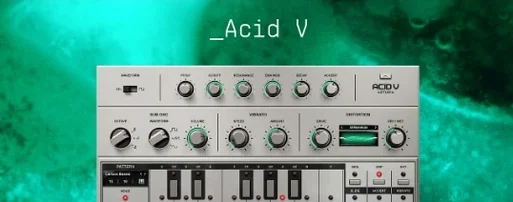
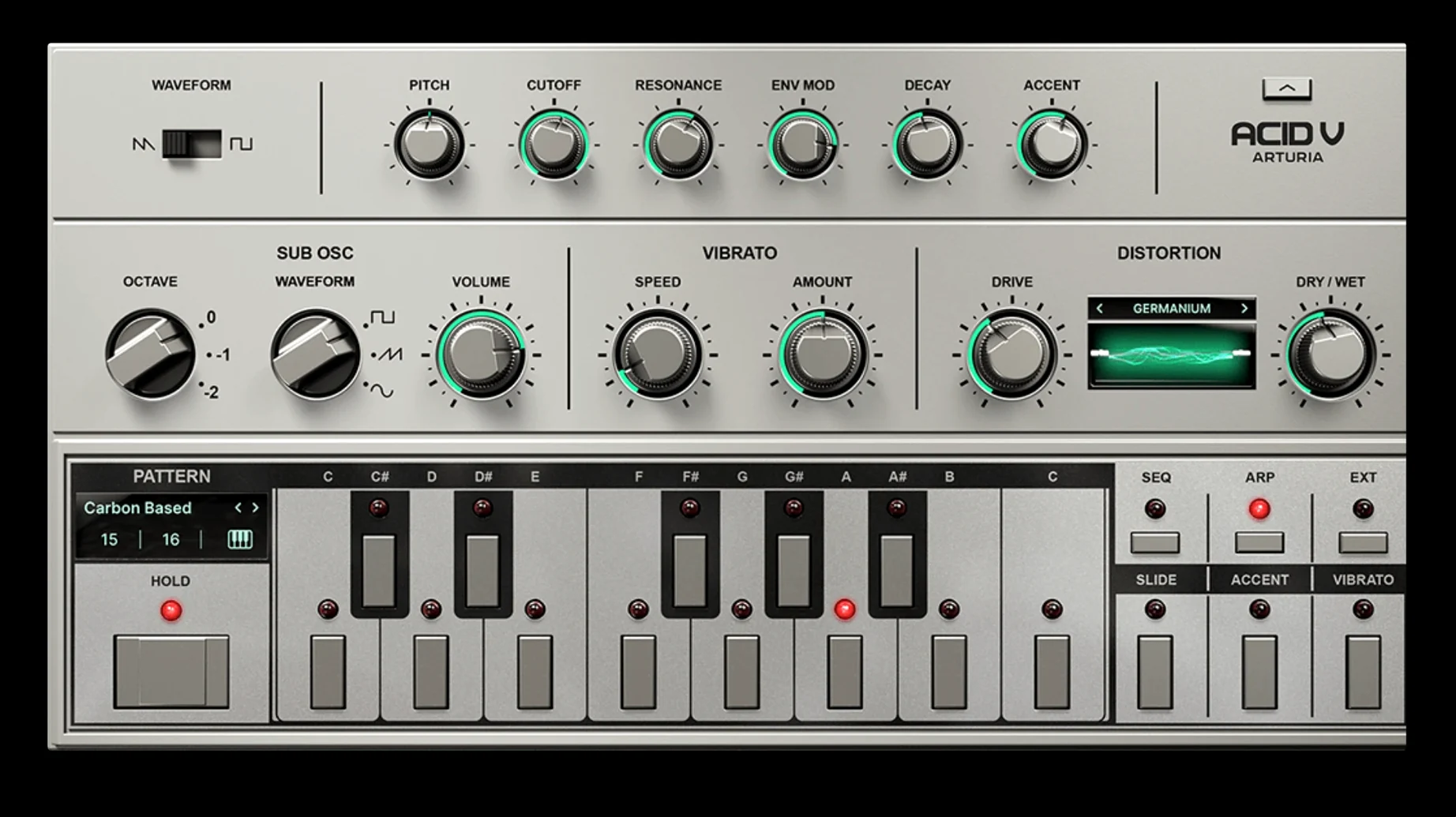
Most synth plugins can make a bass sound. Very few push a pattern forward the way a 303-style sequencer does. Acid V fills that gap when a bass part needs to move, not just hold the low end.
Polymetric sequencer drives the track
- Track level: Load it as a virtual instrument on its own track. The built-in polymetric sequencer drives the notes, so you program movement instead of playing one long drone.
- Bass bus duties: Route it to a bus with other low-end elements. The distortion module's 14 algorithms give you a way to add grit without stacking extra plugins.
- Modulation source: The three function generators can shape filter, pitch, or drive. When a static bass part needs life, they do the work a drawn-in automation lane usually handles.
- Effects stage: Four FX slots with 17 effects cover what the bass usually needs — delay, reverb, or a bit of movement — before it hits your main mix.
Under-the-hood fixes keep waking from sleep
The current build is 1.1.5 (6367). Arturia keeps the changelog light, so most of what lands in these point releases is under the hood — stability fixes, preset tag corrections, and better behavior when the plugin wakes up inside a busy session. In everyday use, that means fewer moments where a project loads and the sequencer glitches on the first bar, or where a saved patch sounds slightly different after a DAW update.
One practical shift worth knowing: newer builds handle the standalone mode more gracefully when a MIDI keyboard is already connected. You can switch back and forth between the plugin and standalone without resetting your controller map.
Leave distortion off until the pattern works
- Distortion stage: Leave it off until the core pattern sits right. The 14 algorithms range from subtle drive to full meltdown, and it is easy to lose the 303 character before you even get to the FX slots.
- Function generators: Assign one to filter cutoff with a slow attack. The stock patches often go straight for vibrato, but a slow filter sweep makes an acid line breathe instead of just wobbling.
- Sequencer gate length: Tighten it a few steps. The default is musical, but a shorter gate gets closer to that clipped, percussive bass feel most people reach for first.
- Sub-oscillator: Start with it off, then bring it in at the two-octave setting if the mix lacks weight. The square sub can mask the main oscillator faster than you would expect.
It also runs standalone with a MIDI keyboard, so you can sketch patterns without opening a full project.
Version 1.1.5 is a maintenance update for the current macOS package. No feature changes to report — just a fresh build labeled 1.1.5.6367.
- macOS 11 or later
- Intel or Apple Silicon Mac
Questions I actually get
Does Arturia Acid V support microtuning?
Yes, it supports MTS-ESP microtuning, so it works with alternate tuning systems if your session calls for them.
Notes from the tables 0
Sign in or pull up a chair to leave a note.
No notes on this one yet. They go up after I read them.
More from the VST Plugins page
The whole page VST Plugins 4.4 GB
Arturia Augmented Voices
2.0.2
VST Plugins 4.4 GB
Arturia Augmented Voices
2.0.2
 VST Plugins 4.8 GB
Arturia Comp FET-76
1.7.1
VST Plugins 4.8 GB
Arturia Comp FET-76
1.7.1
 VST Plugins 450 MB
Arturia Efx AMBIENT
1.0.0
VST Plugins 450 MB
Arturia Efx AMBIENT
1.0.0
 VST Plugins 285 MB
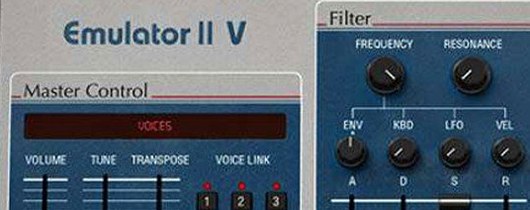
Arturia Emulator II V
1.6.2
VST Plugins 285 MB
Arturia Emulator II V
1.6.2
 VST Plugins 700 MB
Arturia FX Collection
2026.02
VST Plugins 700 MB
Arturia FX Collection
2026.02
 VST Plugins 16.1 GB
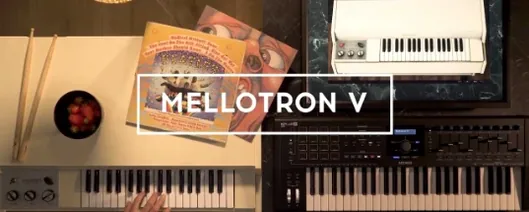
Arturia Mellotron V
1.9.3
VST Plugins 16.1 GB
Arturia Mellotron V
1.9.3
 VST Plugins 2.1 GB
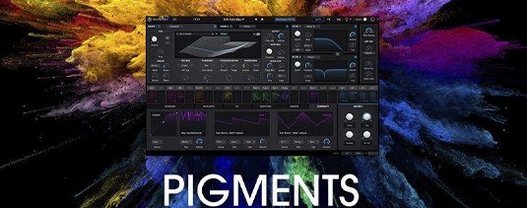
Arturia Pigments
7.0.1-6772
VST Plugins 2.1 GB
Arturia Pigments
7.0.1-6772
 VST Plugins 1.8 GB