

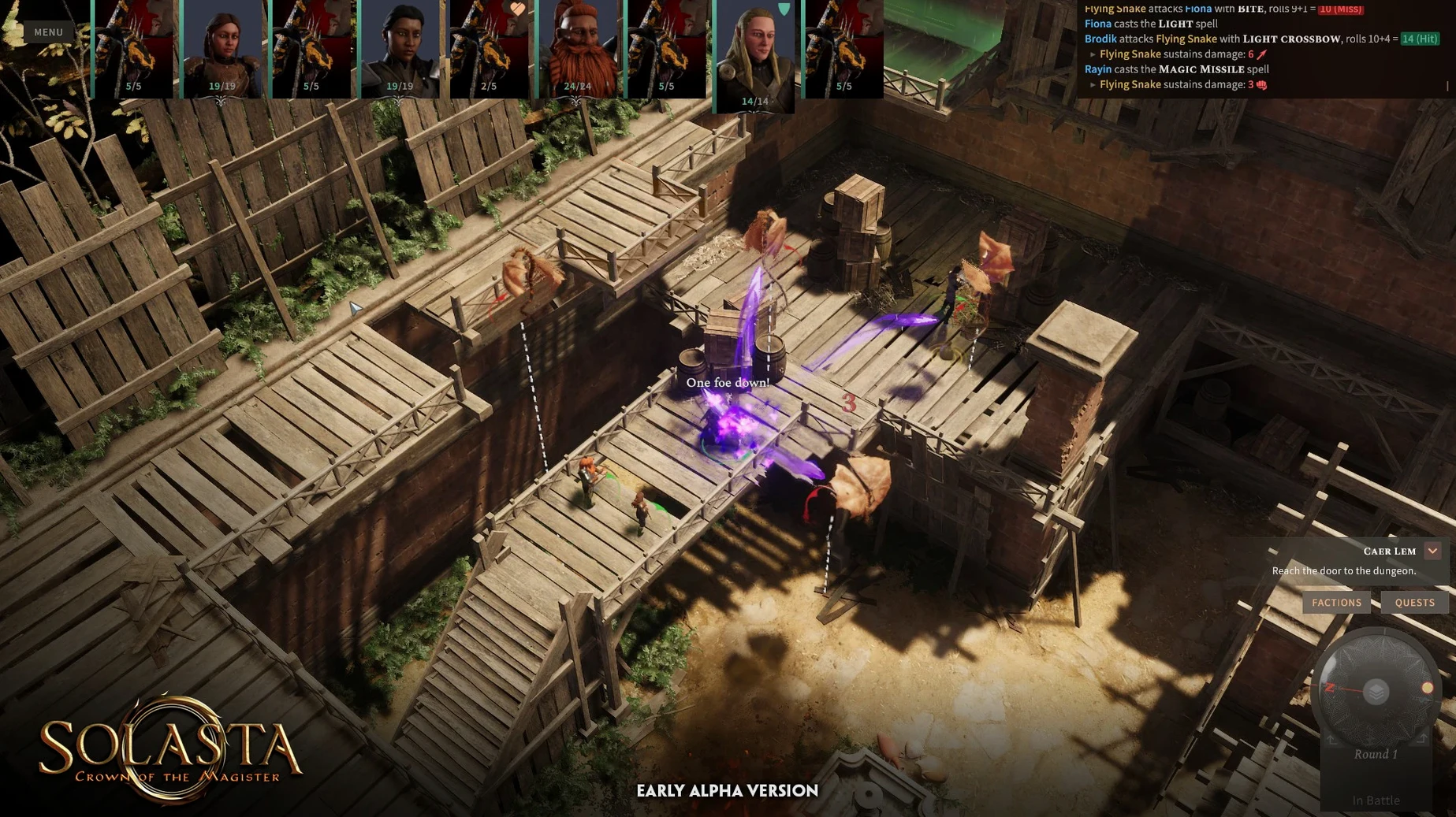
Most role-playing games hand you a single hero and call it a day. You run around, click on monsters, and hope for the best. The problem shows up the first time you face a fight that needs more than just swinging a sword — there is nobody to watch your back.
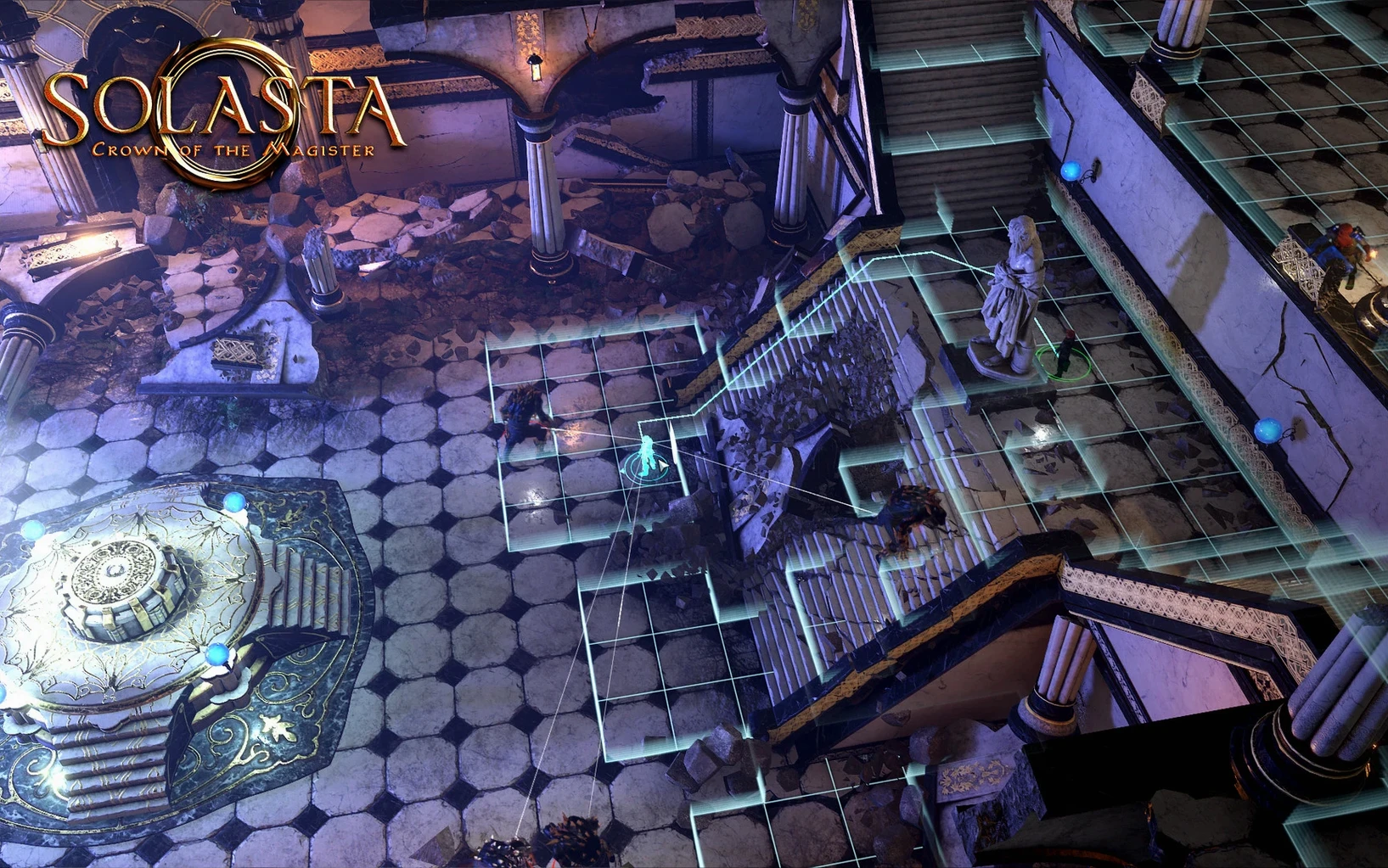
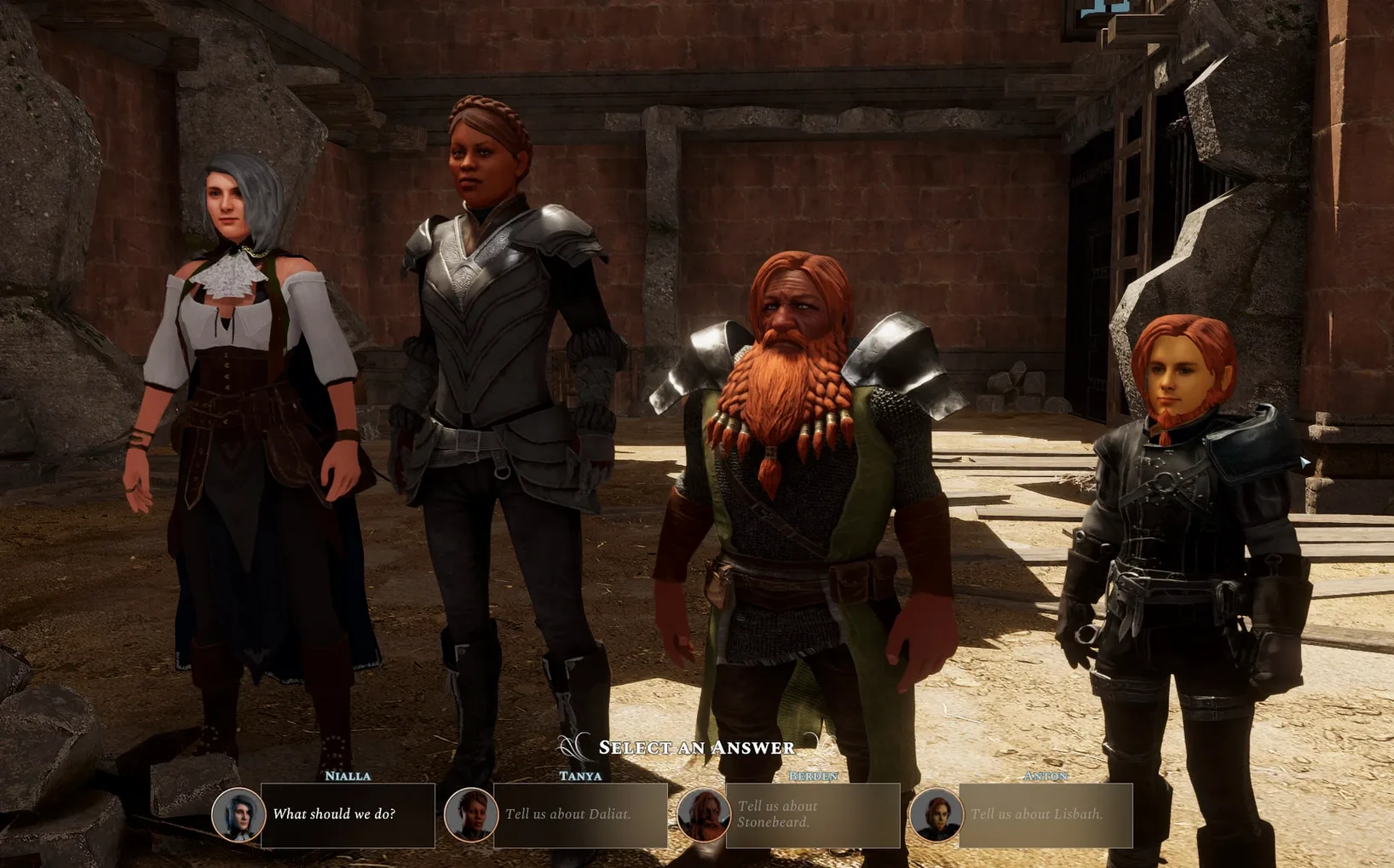
Solasta: Crown of the Magister solves that by putting a full party of four under your control from the start. Each hero brings skills that complement the others, so you are always thinking about positioning, teamwork, and who does what next. Combat pays attention to lighting conditions too — dark corners and bright torches are not just decoration, they change what you can hit and how well.
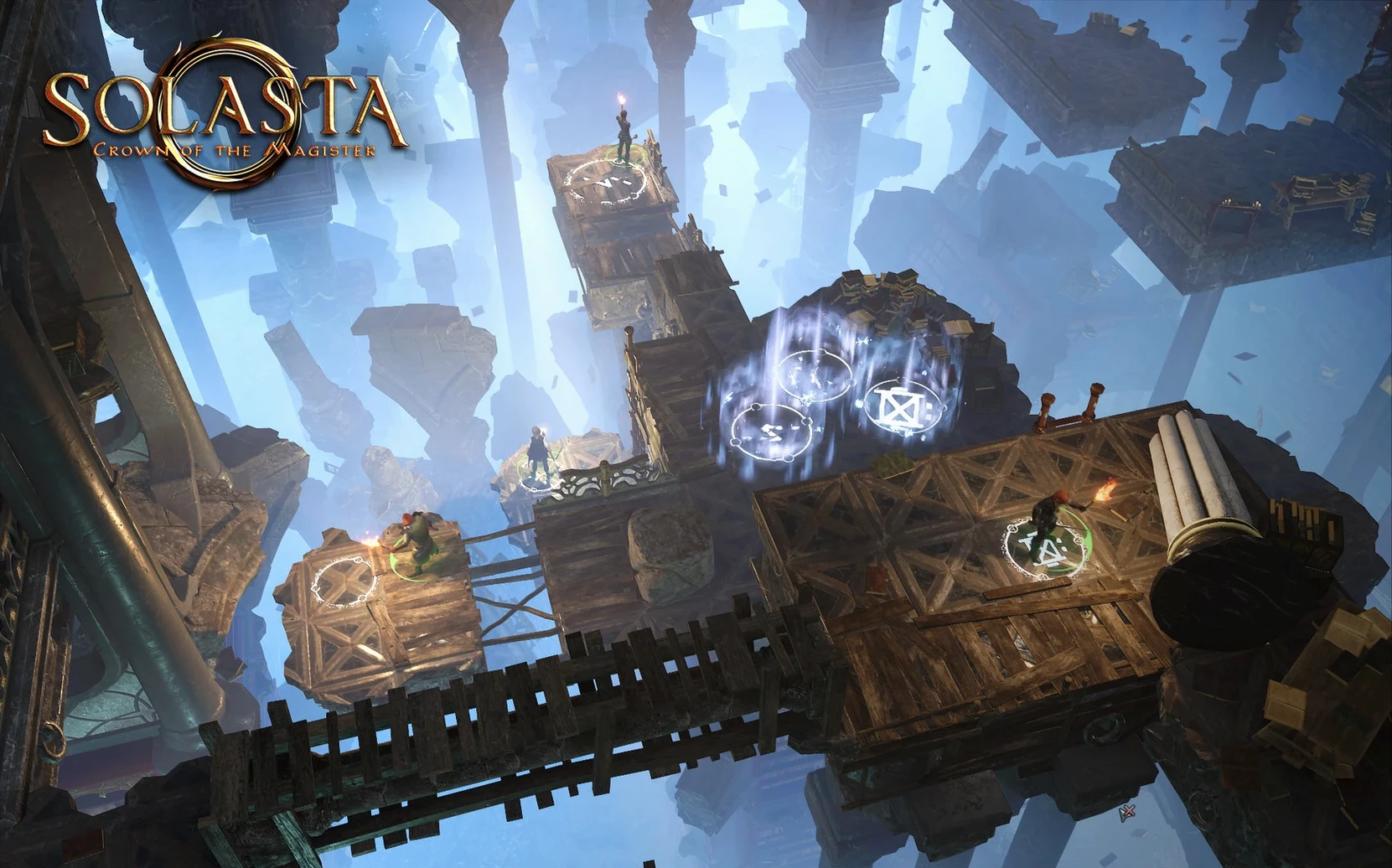
The world is built in three dimensions and the game expects you to use it. Climb walls, crawl through narrow tunnels, fly over gaps, or take fall damage when a ledge turns out higher than you guessed. Movement is part of the strategy, not just a way to get from one fight to the next. And the choices you make in dialogue and actions actually shift how the story plays out.
It is the kind of game where a bad decision sticks, and a clever plan feels earned. No hand-holding, just a party of four and a dungeon that does not care if you are ready.
Apple Silicon and Intel Macs both run it fine
Most questions I get boil down to two things. First: can the Mac handle it. If you have an Apple Silicon machine or a decent Intel Mac, the answer is yes — the build covers both architectures and runs smoothly on an M1 Air. People on older Intel Macs sometimes see longer load times, but nothing that breaks the experience.
Second: do you need to know D&D rules beforehand. Not really. The game explains the basics as you go, and the interface shows your hit chances and damage ranges before you commit. You learn by doing. By your third big fight, flanking and spell placement start to feel natural even if you have never rolled a d20 in your life.
What a session looks like, step by step
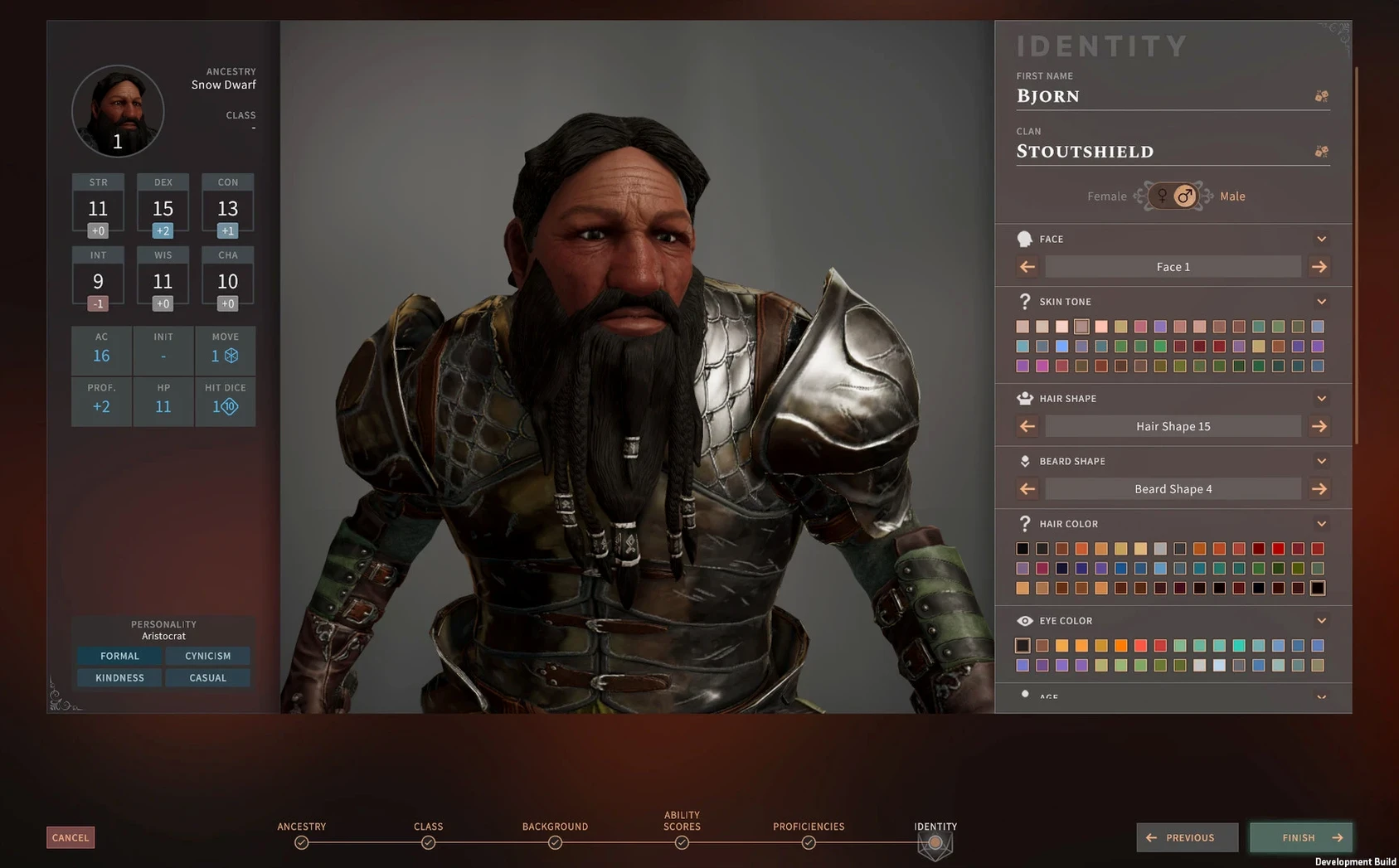
You start the evening with a party you rolled three days ago — a paladin who talks too much, a rogue who steals everything not nailed down, a cleric who keeps everyone alive, and a wizard who misses half her spells but hits hard when it counts. You open the map and realize you left off near a cliffside ruin.
The party climbs a rock face to get a better view. The paladin spots three skeletons on a ledge below. Instead of charging in, you position the rogue on a higher outcrop for a ranged sneak attack and have the wizard cast a light spell on the cleric's shield — suddenly the dark corridor ahead is lit, and the skeletons lose their advantage. The paladin shoves one off the edge. The wizard lands a fire bolt on the second. The rogue finishes the third before it reaches the group.
That is Solasta. Every fight is a small puzzle. You move furniture, you climb, you push things into chasms, and an hour later you realize the sun came up while you were underground. The game gives you the tools, then steps back and lets you figure out how to survive.
- Mac with Apple Silicon or Intel processor
Questions I actually get
Does Solasta: Crown of the Magister work on a Mac?
Yes, there is a Mac version that runs on both Apple Silicon and Intel Macs.
How many heroes do you control in the game?
You control a party of four heroes, and each one has skills that complement the others.
Can choices in the game change the story?
Yes, your actions and dialogue choices affect the story dynamically as you play.
Notes from the tables 0
Sign in or pull up a chair to leave a note.
No notes on this one yet. They go up after I read them.
More from the Games page
The whole page Games 273 MB
Songs of Syx
0.71.52
Games 273 MB
Songs of Syx
0.71.52
 Games 345 MB
Sneaky Sasquatch
2.2-993
Games 345 MB
Sneaky Sasquatch
2.2-993
 Games 365 MB
Space Haven
1.0.4.4
Games 365 MB
Space Haven
1.0.4.4
 Games 359 MB
Stardew Valley
1.6.15.24357.8705766150
Games 359 MB
Stardew Valley
1.6.15.24357.8705766150
 Games 467 MB
Stellaris
4.5.1
Games 467 MB
Stellaris
4.5.1
 Games 21 GB
Sid Meier’s Civilization VII
1.5.0
Games 21 GB
Sid Meier’s Civilization VII
1.5.0
 Games 18 GB
STORROR Parkour Pro
0.39.0
Games 18 GB
STORROR Parkour Pro
0.39.0
 Games 25 GB