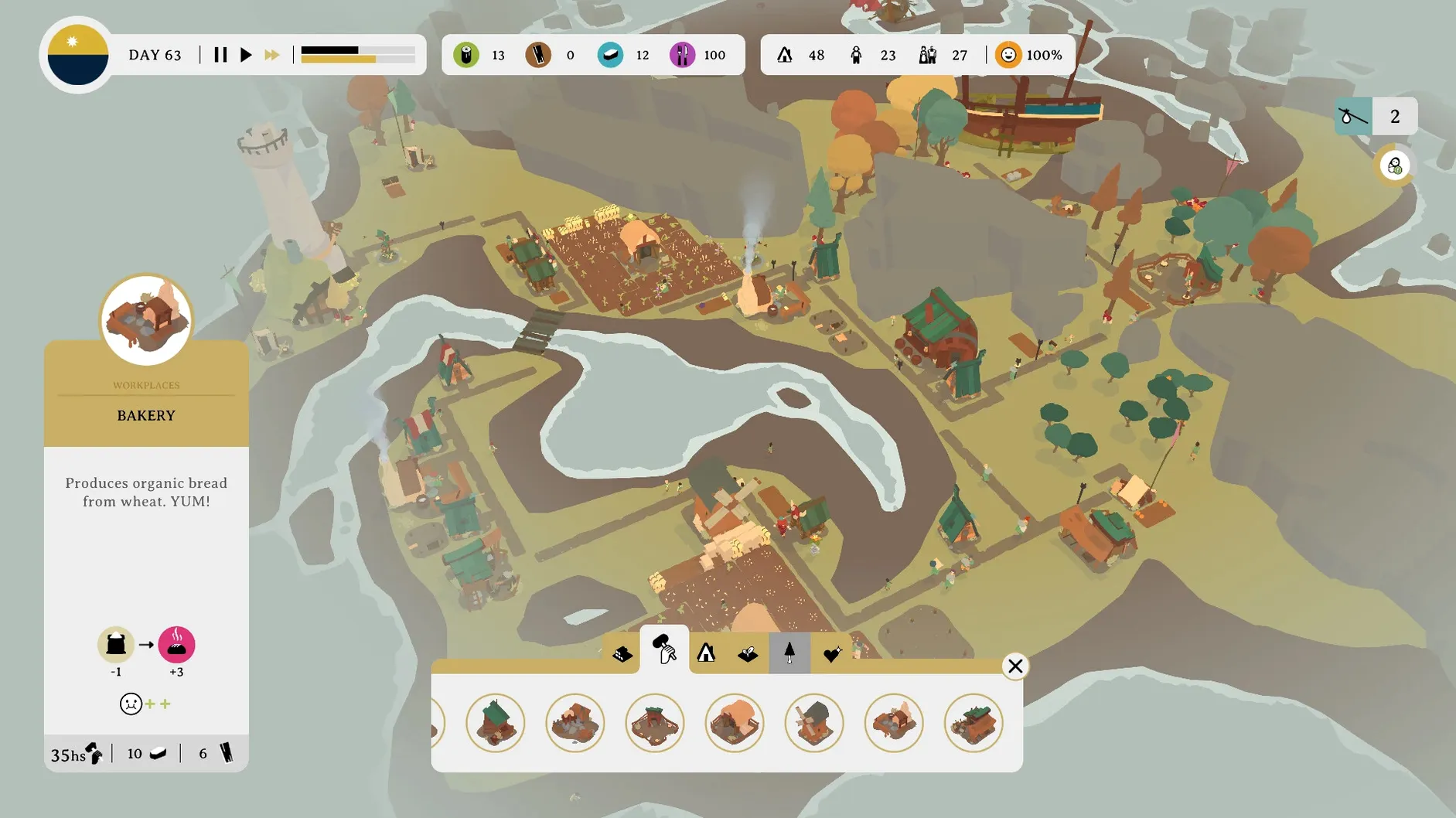
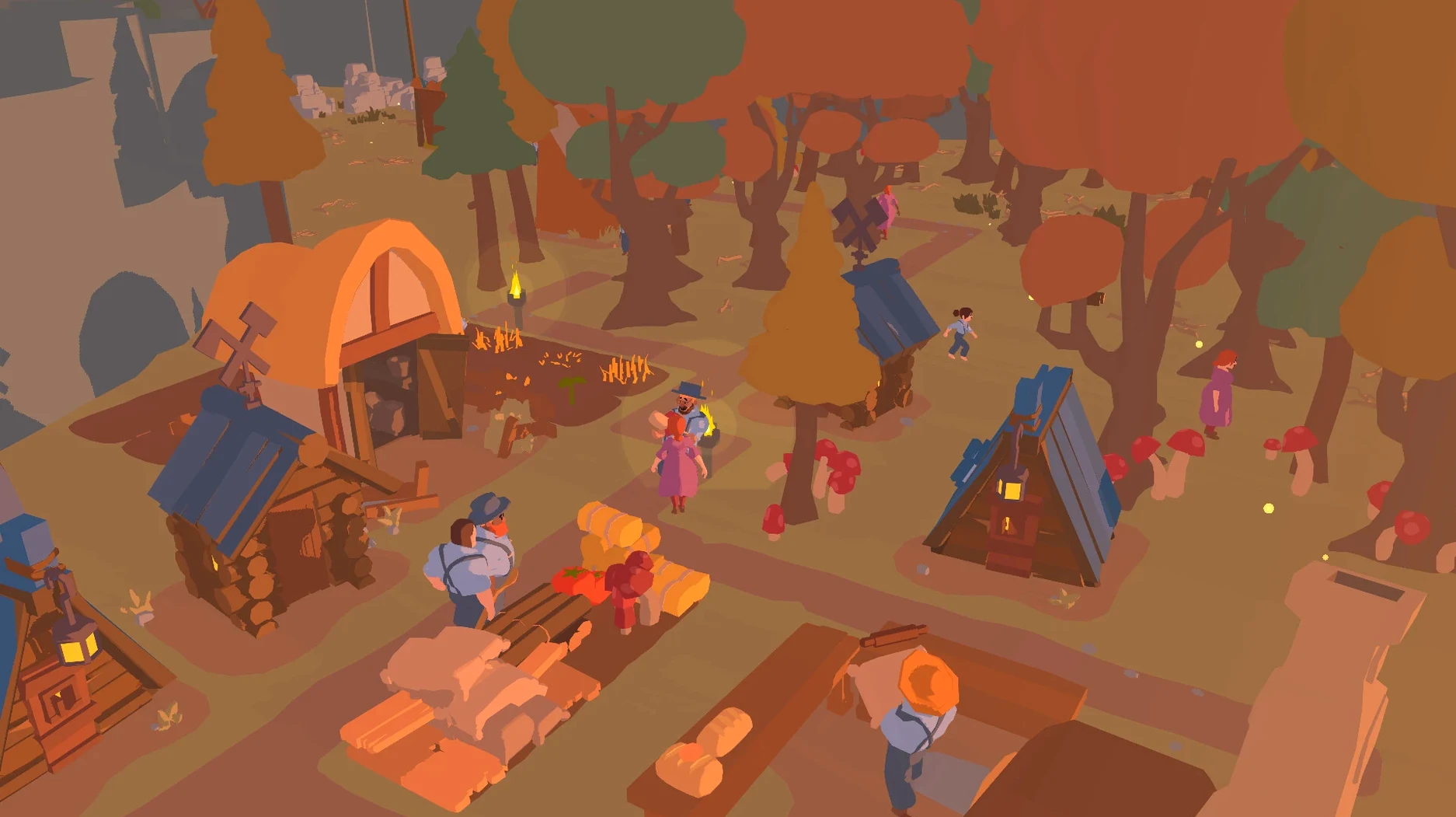
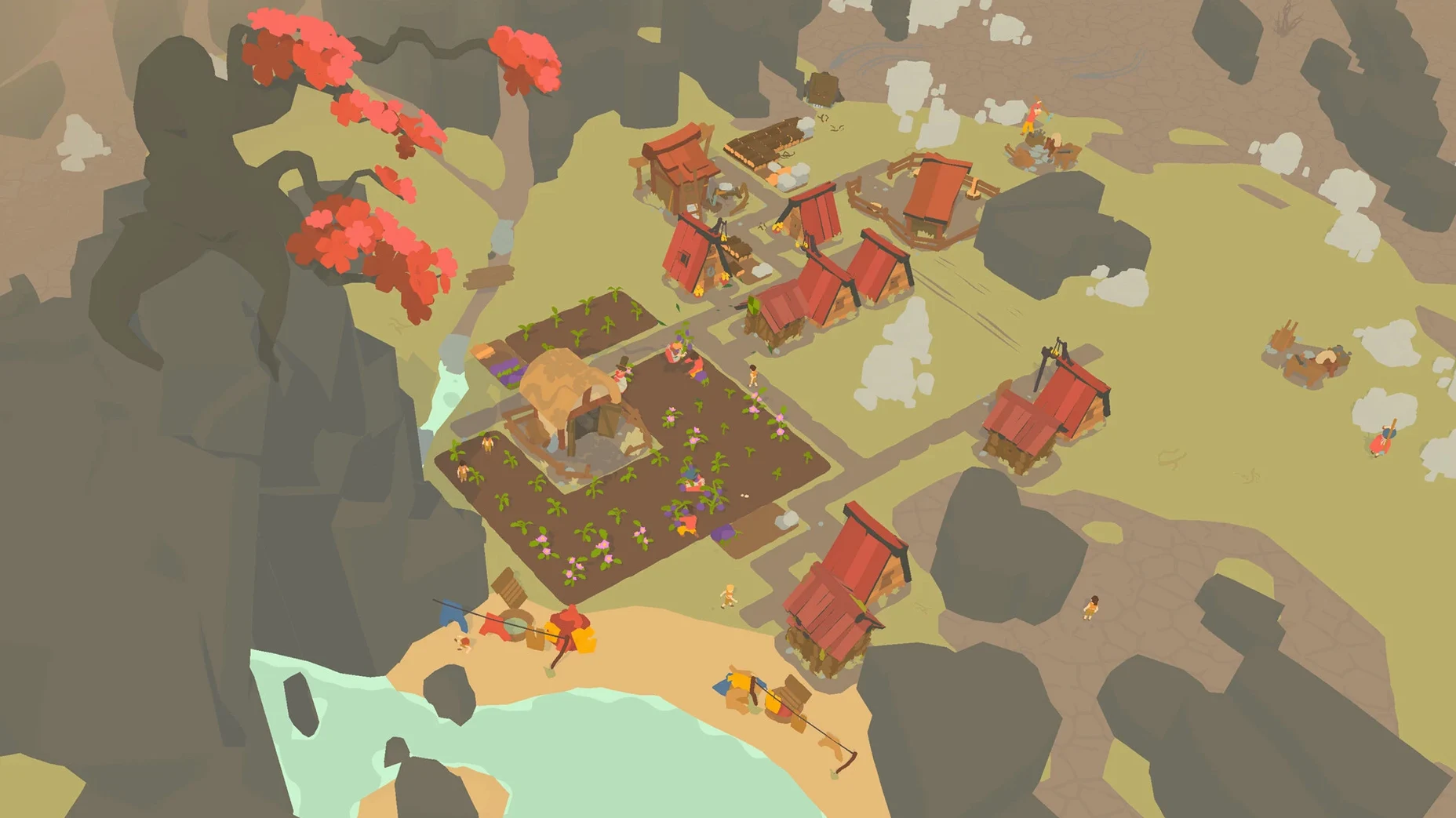
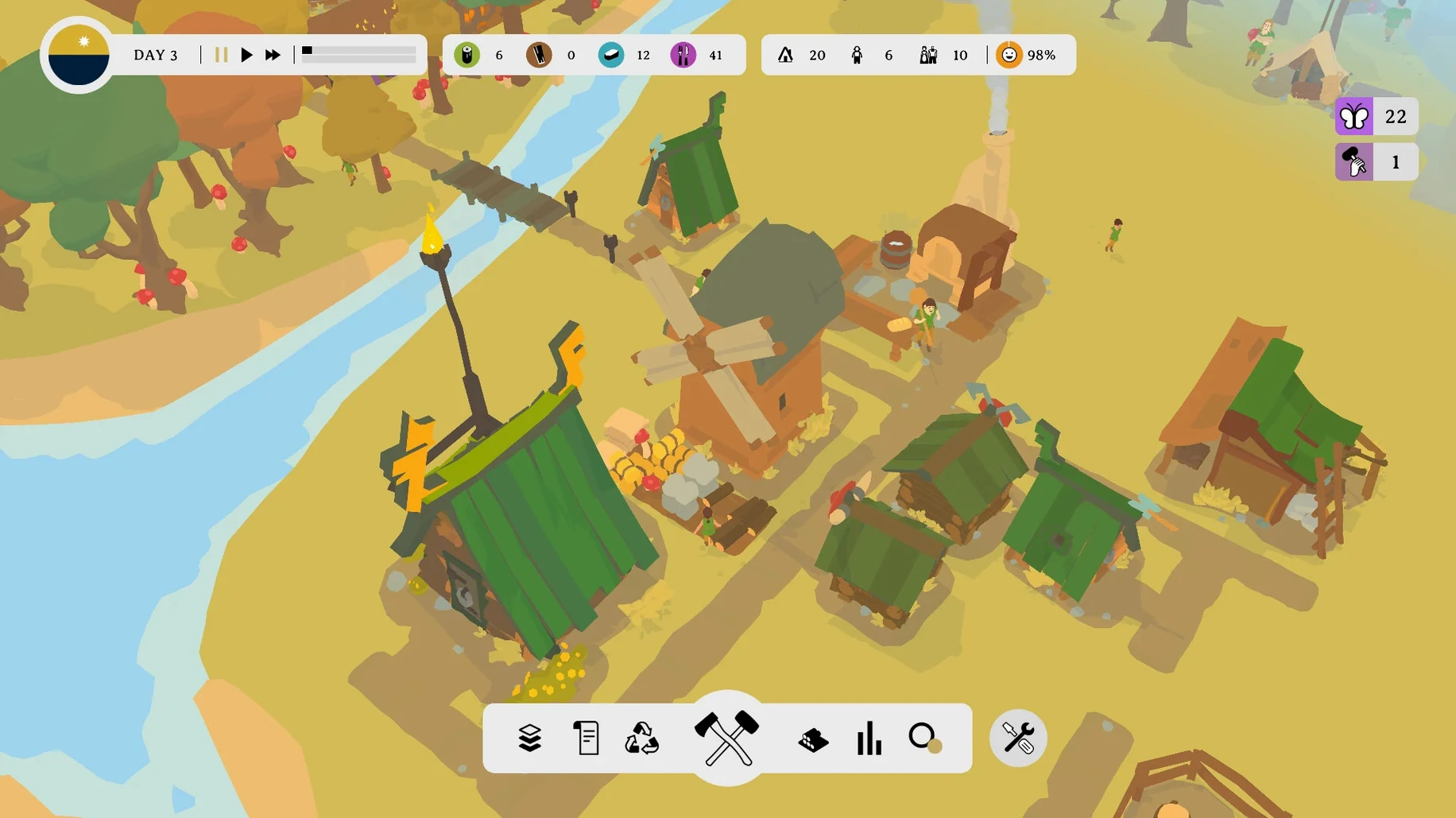
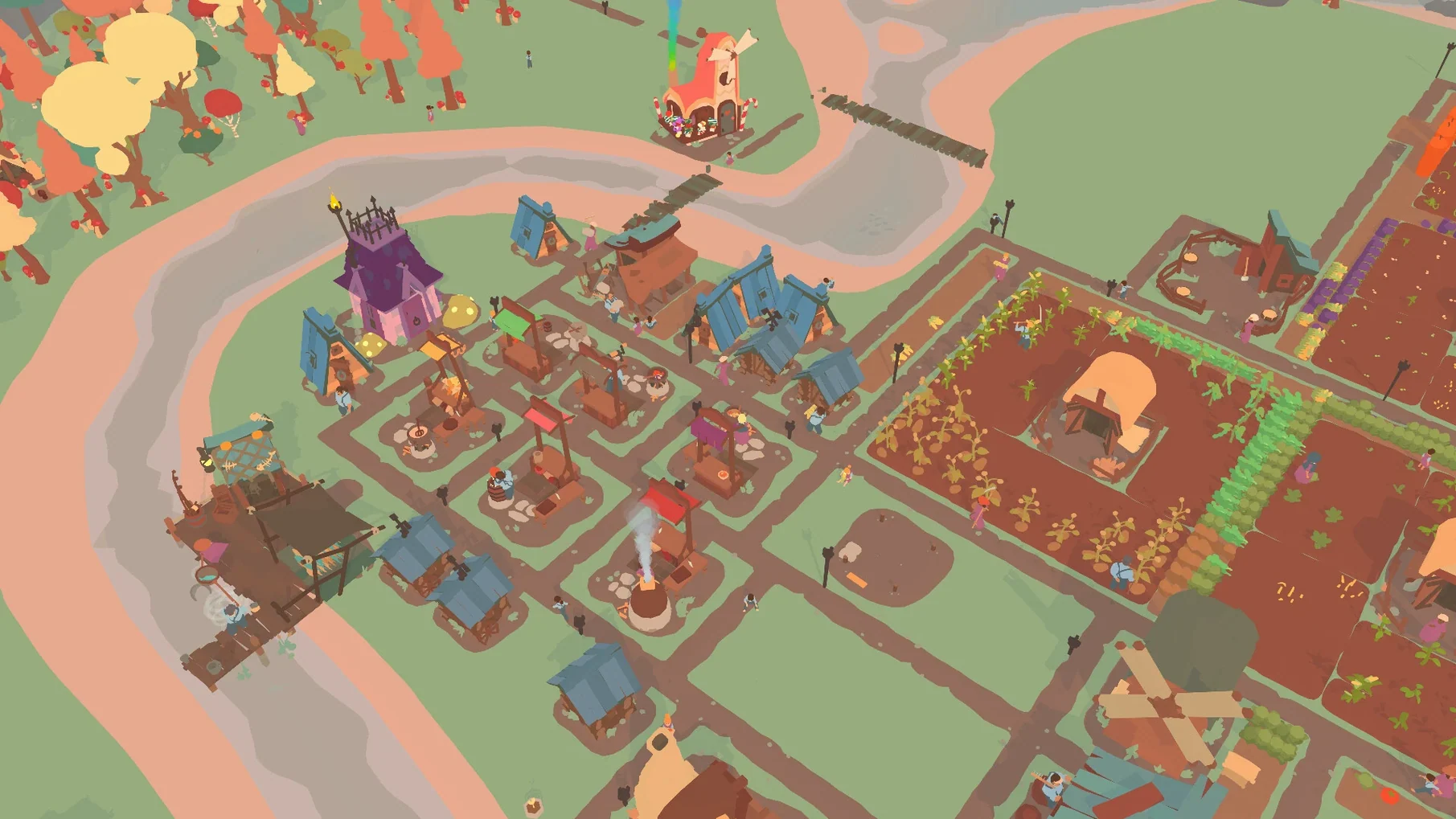
It runs on anything from macOS 10.15 Catalina forward, on both Intel Macs and Apple Silicon machines — no special graphics card needed, just a Mac that can handle a few dozen little people going about their day. That broad compatibility opens the door for folks with older machines who still want a thoughtful strategy game.
| What it is | What you control |
|---|---|
| Town-building strategy | Priorities and decrees, not people |
| Multiple biomes | Campaign with story objectives |
| No combat at all | Unlockable buildings and options |
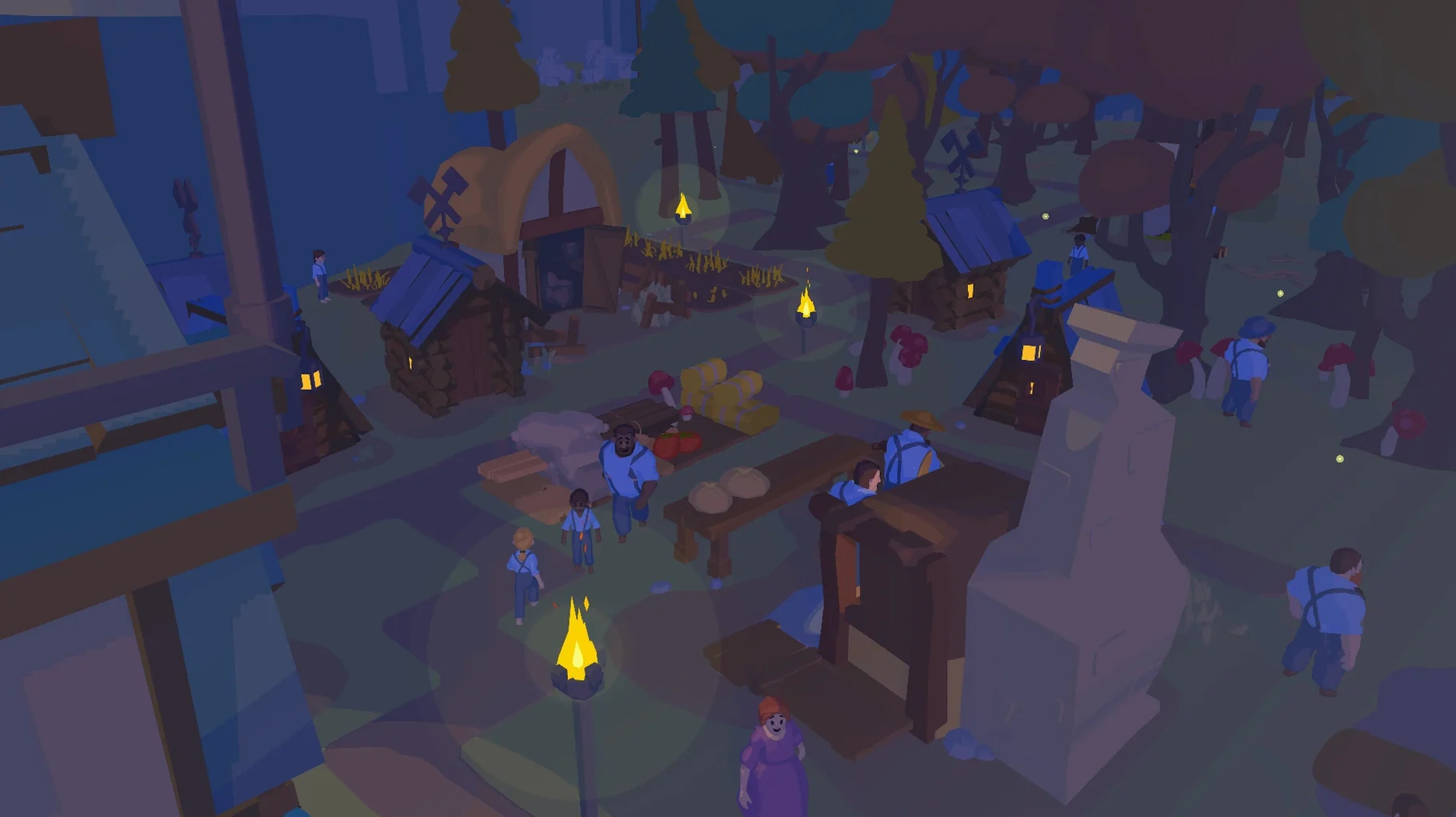
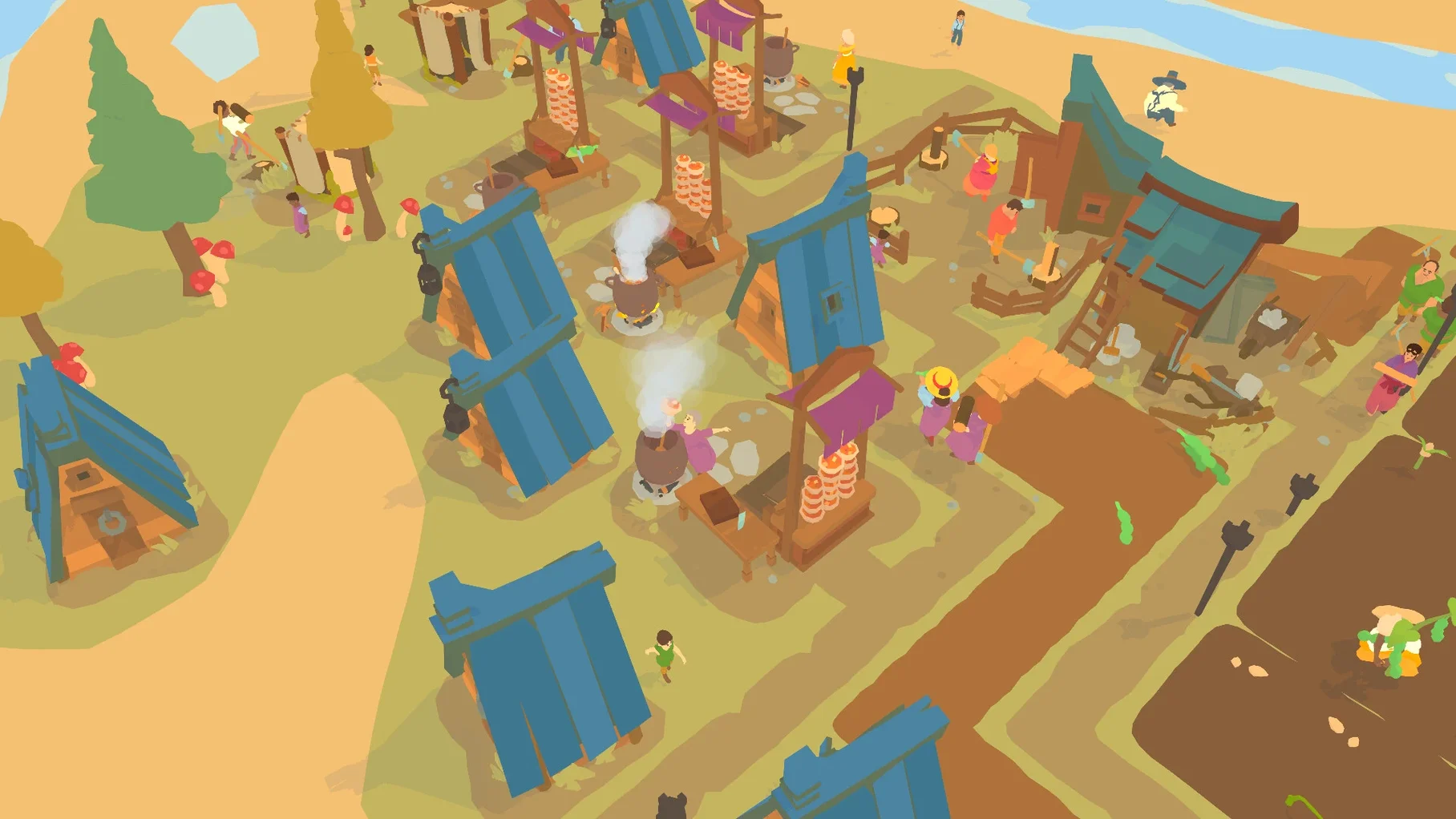
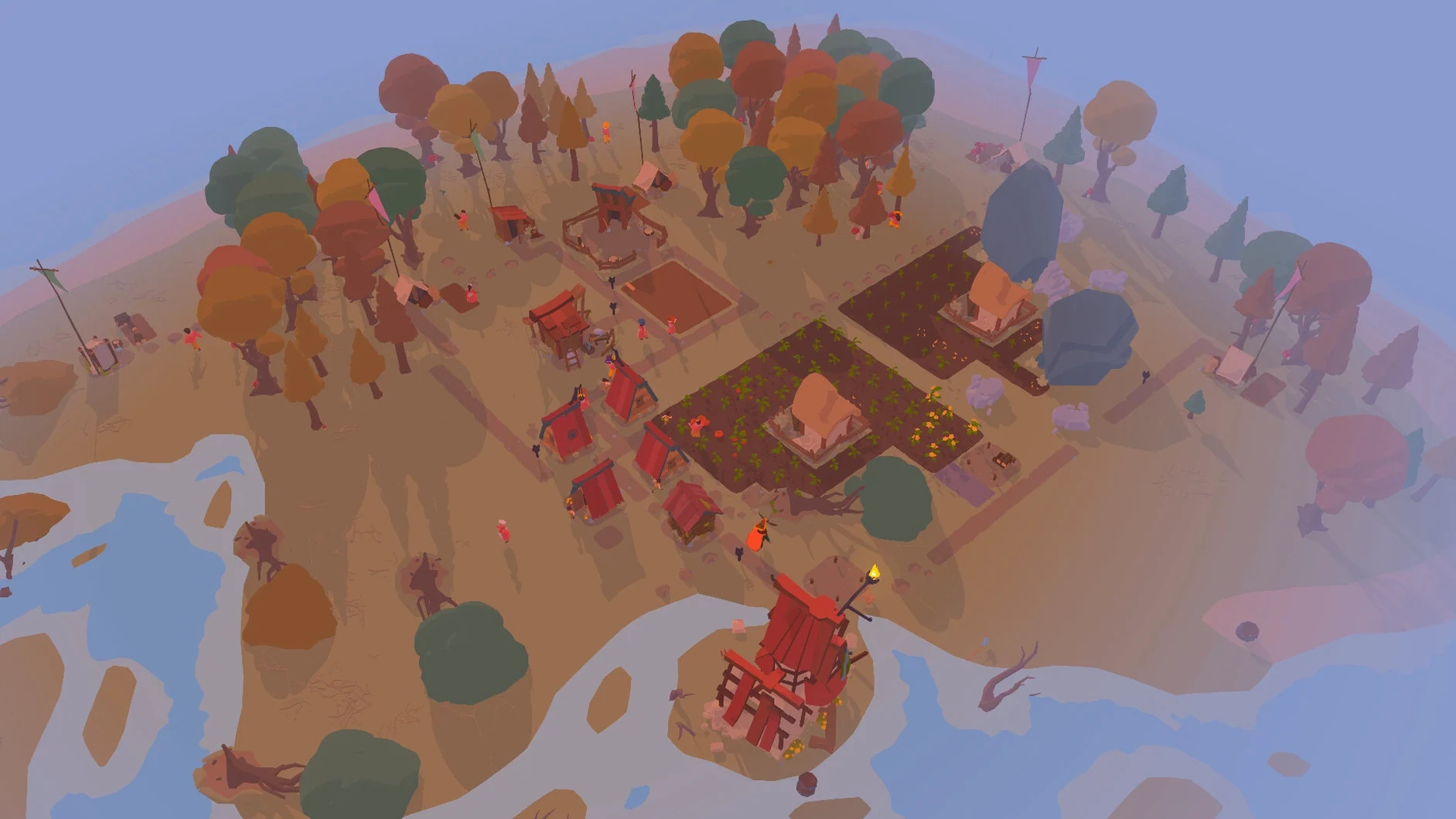
Outlanders throws you into a settlement full of people with their own ideas. You don't grab a settler and point them at a tree — they decide who works, where they sleep, and which building goes up next. Your job is to nudge the whole operation. You issue decrees that change the rules of the place, assign broad work priorities, and watch the community figure out the details. Each campaign level has its own story and a specific objective to hit, and new buildings and gameplay options unlock as you move through. The landscapes shift from lush forests to dry plains, each biome with its own sound design that makes the place feel distinct. There are no battles, no raids, no armed conflicts — just the quiet tension of keeping everyone fed and productive. Bottom line: it's a strategy game about gentle influence, not brute force, and the variety in biomes and campaign goals keeps it interesting.
Settlers follow decrees, not clicks
Against Banished: Banished treats your townsfolk like a workforce you command directly. Outlanders flips that — the settlers have their own minds. You're setting the tone with decrees, not clicking every tree to chop. Banished feels like survival logistics; Outlanders feels like community theater where the cast occasionally ignores the director.
Against Townsmen: Townsmen leans into medieval resource chains and a straight campaign path. Outlanders gives you more biome variety and a sandbox mode that starts with everything unlocked from the jump. If you want tight control over production lines, Townsmen scratches that itch. If you want to watch a settlement figure itself out while you nudge from above, Outlanders is the one.
Against Islanders: Islanders is a minimalist puzzle about placing buildings for points — quick sessions, no people. Outlanders is the opposite: slow burns with named characters, stories, and consequences that play out over a full campaign level.
Don’t decree longer workdays too soon
I see the same stumbles every time someone new fires this up, and I made most of them myself.
- Issuing decrees too early. You get a shiny new option and want to use it. But making people work longer before you've sorted out housing and food just burns everyone out. Let the settlement breathe first.
- Ignoring who lives where. The settlers pick their own homes. If you don't check who's bunking next to the workplace, you'll have a farmer walking halfway across the map while the guy next door handles fishing. The game rewards a little nosiness about living arrangements.
- Treating sandbox like campaign with training wheels. Sandbox drops the full toolset on you immediately. It's not easier — it's just wide open. Jumping in without knowing which buildings unlock which mechanics can leave you staring at a starving town and wondering what you missed.
- macOS 10.15 or later
- Intel or Apple Silicon Mac
- No special graphics requirements
Questions I actually get
Do I control the settlers directly?
No. Residents choose their own jobs, housing, and which buildings to construct. You influence them through work priorities and decrees.
Is there combat in the game?
There are no battles, raids, or armed conflicts. The challenge comes from resource management and community planning.
Notes from the tables 0
Sign in or pull up a chair to leave a note.
No notes on this one yet. They go up after I read them.