

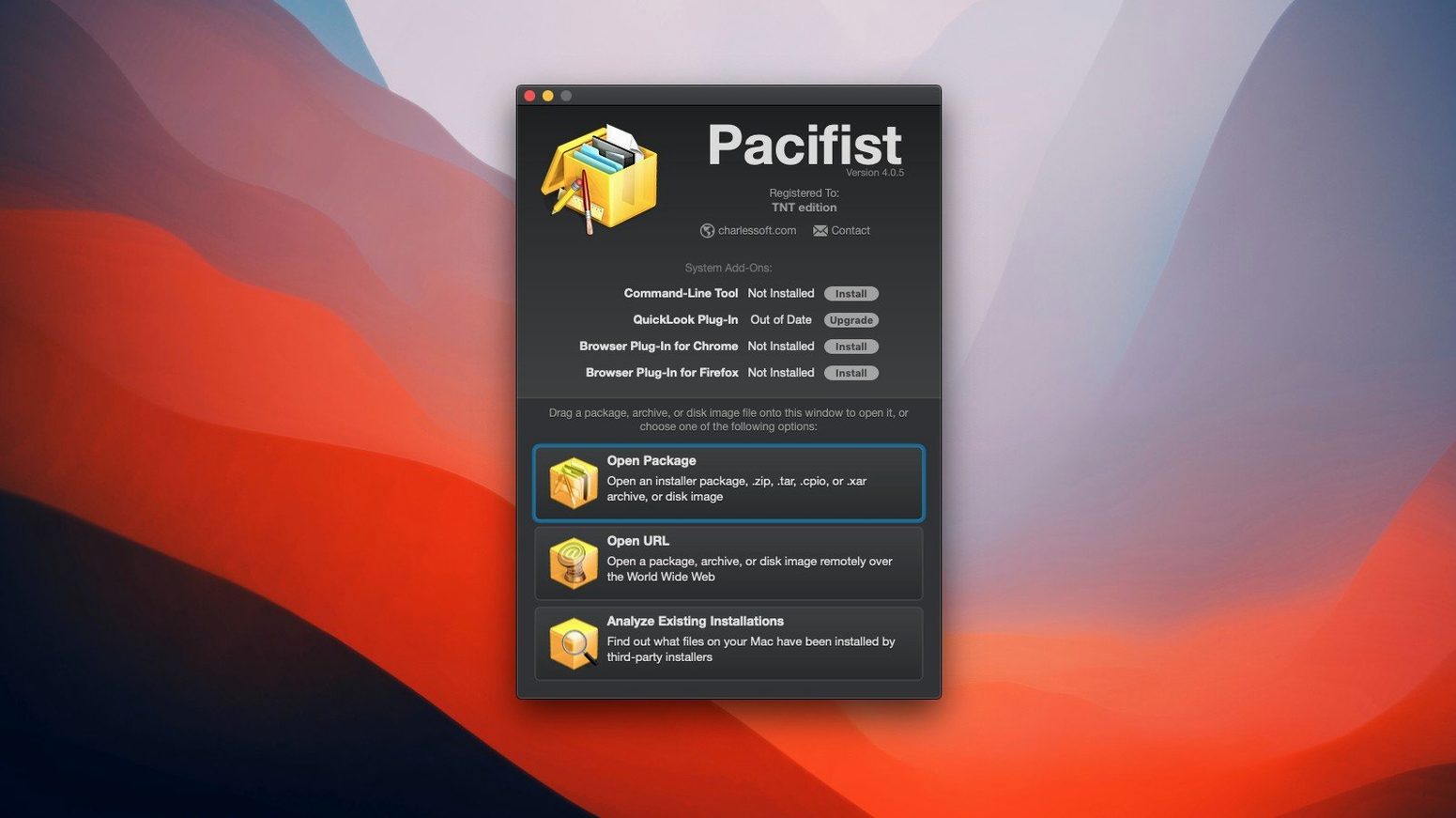
The Finder can open a .zip, and macOS will happily run a .pkg installer with a double-click. But neither of them will show you what’s actually inside those files. Pacifist is the tool you reach for when the friendly surface of your Mac isn’t giving you the full story.
Cracks open .pkg, .dmg, .zip, and .xar archives
It handles the obvious ones you bump into daily — .pkg, .dmg, .zip — plus less common cousins like .tar, .tar.gz, .tar.bz2, and .xar archives. If a developer ships their software inside it, odds are Pacifist can crack it open.
Can I grab just one file from a massive archive?
Yes, and for certain archive types you don’t even have to download the whole thing first. Pacifist can pull a single file over HTTP, which is a real time-saver when you only need a driver or a tiny utility buried inside a multi-gigabyte package.
What does it reveal before an install?
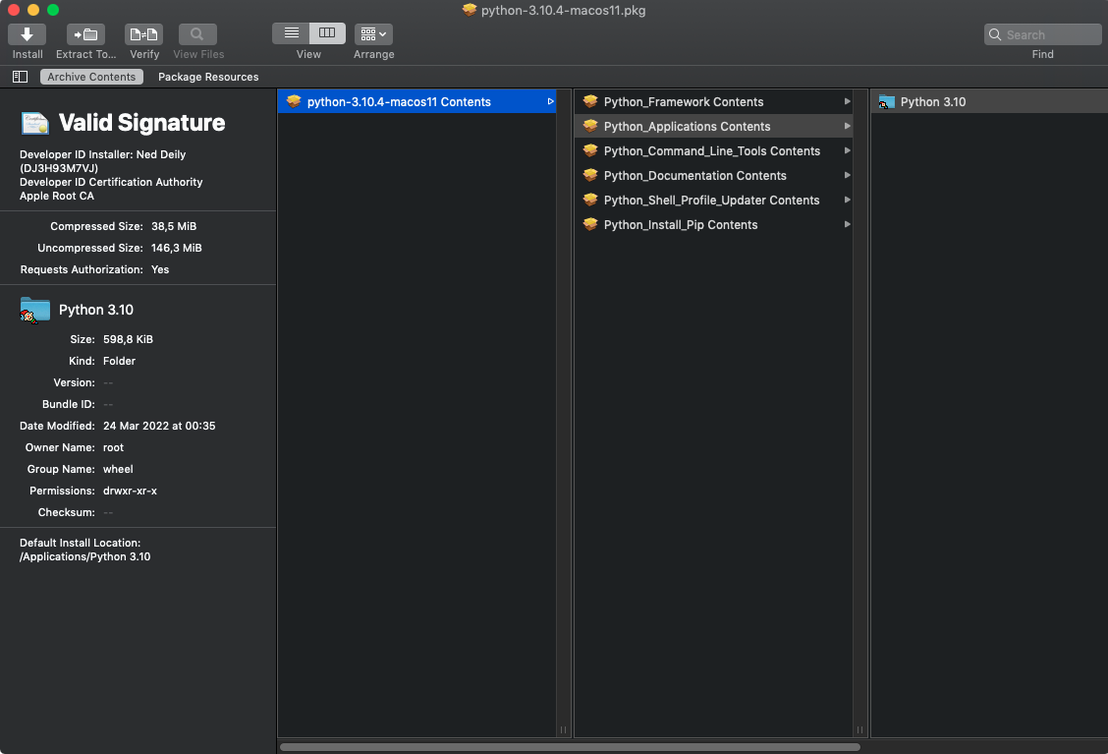
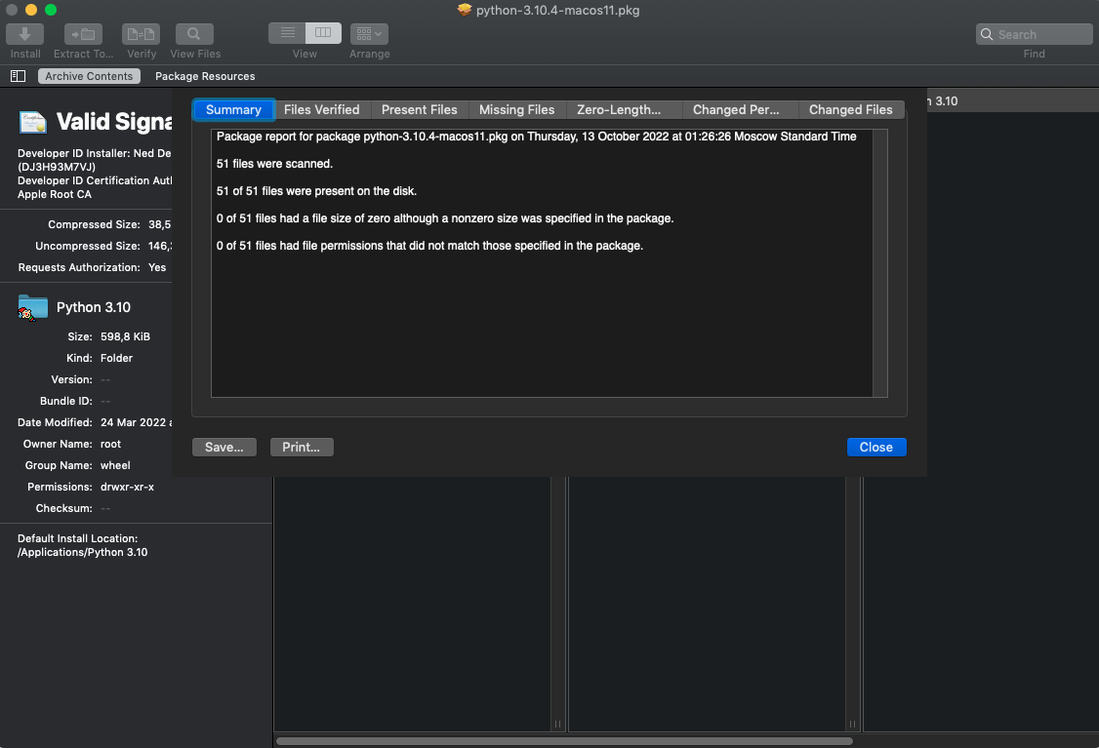
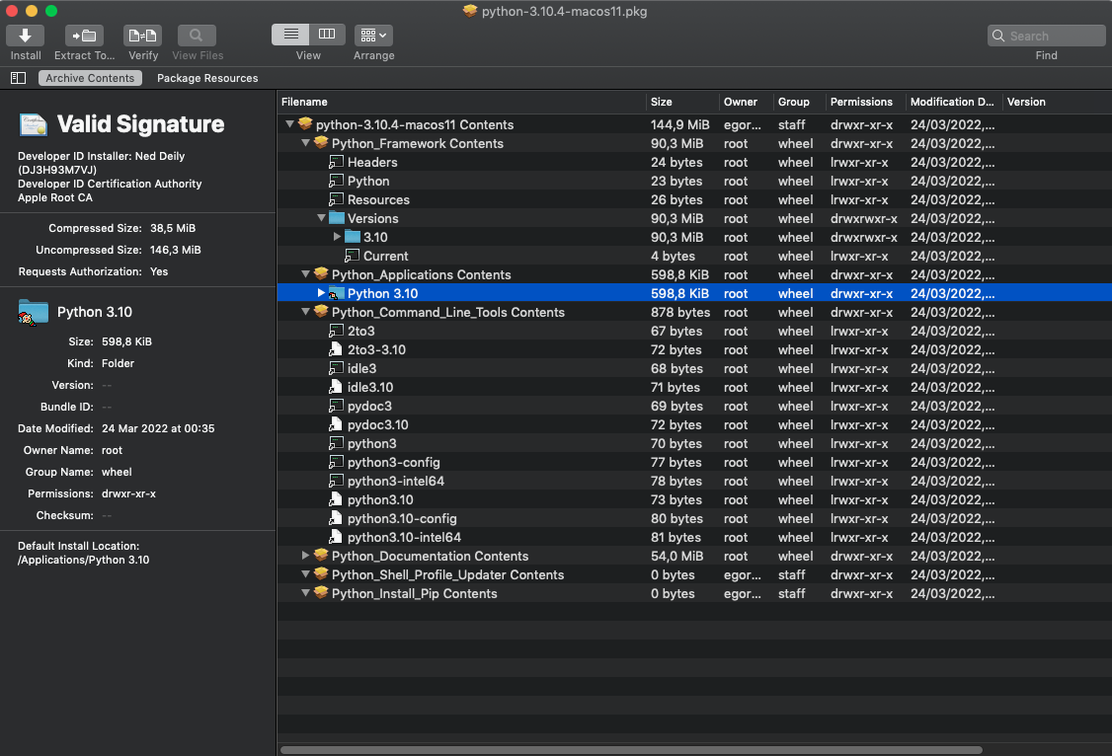
A full inventory of every file, where it will land on your drive, and whether the installer intends to run any scripts. For anyone who’s been burned by a package that moved things around unannounced, that pre-flight view is worth its weight in gold.
What's new in the latest versions
The 4.1.4 update brought the app up to speed for macOS Tahoe, so if you're running a newer Mac you won't hit the compatibility wall that sometimes catches older utilities. Under the hood, the parsing engine got smarter about pulling images out of asset catalogs — fewer garbled exports when you're trying to rescue an icon or a splash screen from a misbehaving package. There's also the usual round of small bug fixes that make extraction feel a little more predictable day to day.
If you've been using an older build, the difference you'll notice most is simply that things open without a fight on current macOS releases. Nobody wants to wrestle their tools before they've had coffee.
First days with Pacifist
When you drop the app into your Applications folder, spend your first session poking around a .pkg you already trust — maybe the installer for a printer driver or a utility you've used for years. Just open it, browse the file tree, and get a feel for how the contents are laid out. You're not breaking anything by looking.
If you plan to extract a single file from an archive hosted online, paste the URL before your lunch break. Some archives are enormous and the partial-download trick still needs time to negotiate with the server, so let it do its thing while you step away.
When you're pulling system files back into place — say a missing framework or a kernel extension — make a quick note of where the original lived. Pacifist will show you the install path, and matching it exactly saves you from head-scratching later.
It won't run scripts or touch your system
Will this mess with my existing installs? Not on its own. Pacifist is a viewer and an extractor, not an installer. It won't run scripts or place files anywhere unless you explicitly drag them out. Think of it as a window into the package, not a bulldozer.
Does it handle the new macOS sealed system volume? It reads archives and packages just fine, but writing extracted files back into protected system locations is a different story entirely. That's a macOS gate Pacifist won't kick down for you.
Is there a Quick Look plug-in? The standard build includes one, though third-party distributions sometimes leave it dormant. If peeking inside a .pkg with a tap of the spacebar matters to you, test it early — you'll know within a few seconds whether it's active.
Version 4.1.4 is a maintenance release that catches Pacifist up to macOS Tahoe. Asset catalog extraction is more precise now, and a handful of small bugs got squashed along the way.
- macOS 10.14.6 or later
- Intel processor
- English interface
Notes from the tables 0
Sign in or pull up a chair to leave a note.
No notes on this one yet. They go up after I read them.
More from the Mac Apps page
The whole page Mac Apps 70 MB
Parallels Desktop
27.0.2-58673
Mac Apps 70 MB
Parallels Desktop
27.0.2-58673
 Mac Apps 186 MB
Paste
6.6.2
Mac Apps 186 MB
Paste
6.6.2
 Mac Apps 28 MB
Path Finder
26.1.9
Mac Apps 28 MB
Path Finder
26.1.9
 Mac Apps 26 MB
One Switch
1.35.4
Mac Apps 26 MB
One Switch
1.35.4
 Mac Apps 7 MB
Permute
4.0.11
Mac Apps 7 MB
Permute
4.0.11
 Mac Apps 84 MB
OmniPlayer: MKV Video Player Pro
2.1.22
Mac Apps 84 MB
OmniPlayer: MKV Video Player Pro
2.1.22
 Mac Apps Updated 78 MB
OmniGraffle Pro
7.26
Mac Apps Updated 78 MB
OmniGraffle Pro
7.26
 Mac Apps 73 MB